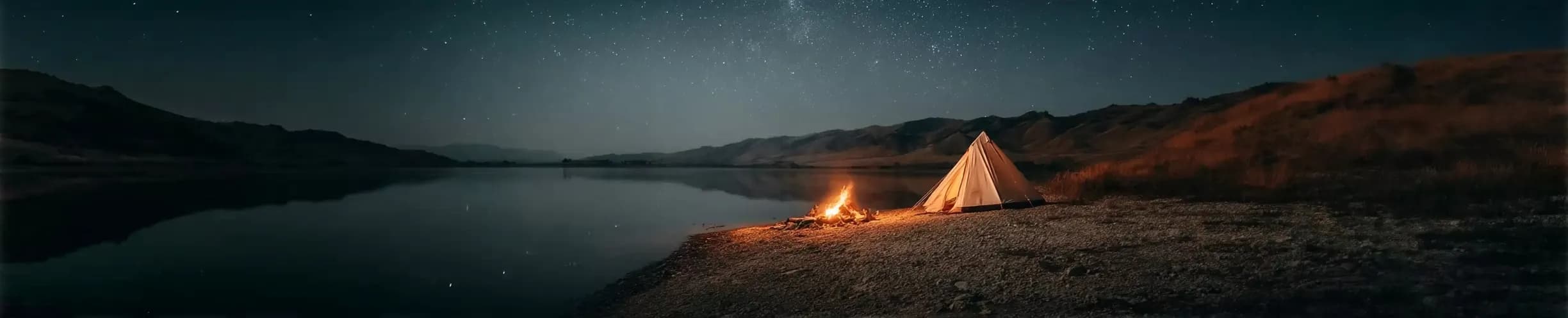
The Archer’s Hand
The wind cut low through the valley. It was morning, but the sun had not yet broken the ridge, and the cold sat thick in the grass. The man knelt by the fire, hands outstretched, feeling the warmth crawl into his fingers.
Today was the day.
He had spent three years in the mountains. Three years in the silence of dawns and the long echo of dusk. The old man had told him that skill was a thing that could be practiced, but patience was a thing that had to be earned. So he practiced. And he waited.
He knew the target would come. It always did. The path was well-worn, the game predictable. He had tracked it before, watched it move, studied its habits. And yet, every time it came, every time the moment arrived, his hand had failed him.
It was not a failure of strength. His draw was steady, his form precise. It was not a failure of knowledge. He had learned the wind, measured the distances, counted the seconds between footfalls. It was always the same failure.
The failure to wait.
The arrow loosed before its time. Just a breath too soon. Just a moment before certainty.
And so he had remained in the mountains. Another season. Another year.
He pulled himself up from the fire, bow in hand, and stepped onto the ridge. The morning light stretched long over the valley. And there, moving through the brush below, was the thing he had chased. The moment had come again.
His body was still. His breath low. The bowstring tight beneath his fingers.
He could feel it—his mind urging him forward, whispering that it was close enough, that he had done the work, that the shot would be true.
And then, for the first time, he did not listen.
He waited.
He watched.
The wind shifted. The target slowed. And then—there it was. The opening. The only one that mattered.
The arrow flew.
The silence of the valley swallowed the sound. The bow was still in his hand, the breath still in his chest. But the chase was over.
He had not won. He had simply done what he was always meant to do.
And that was enough.